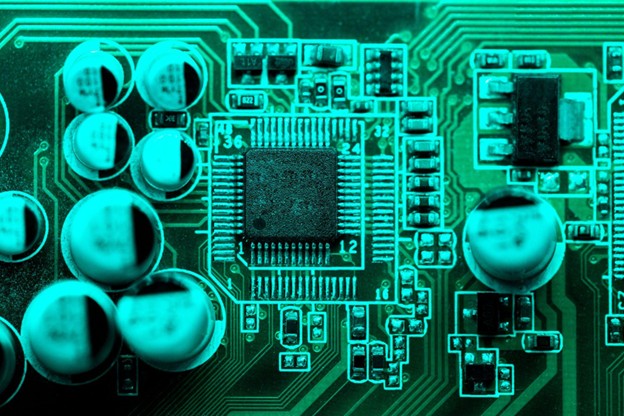
Modern technology has long been built on electronic systems, but Seng Tiong Ho outlines how photonic integrated circuits are emerging as the next major advancement, where light replaces electrical signals to enable faster, more efficient, and scalable data processing systems. As demand for speed, bandwidth, and energy efficiency continues to rise, traditional electronics are approaching their physical and performance limits.
This shift toward photonics is not a gradual improvement; it represents a fundamental change in how information is transmitted, processed, and managed.
The Limits of Traditional Electronics
Electronic systems rely on the movement of electrons through conductive materials. While this approach has powered decades of innovation, it comes with inherent limitations.
These include:
- Heat generation due to electrical resistance
- Signal loss over long distances
- Bandwidth constraints in high-speed data environments
- Increasing energy consumption as systems scale
As devices become smaller and more powerful, these challenges become more pronounced, limiting further advancement.
What Are Photonic Integrated Circuits
Photonic integrated circuits, often referred to as PICs, use light instead of electrical signals to perform similar functions as electronic circuits.
They operate by:
- Transmitting data through photons rather than electrons
- Using optical waveguides instead of metal wiring
- Integrating multiple optical components onto a single chip
- Enabling high-speed signal processing with minimal loss
This approach allows for faster data transmission and reduced energy consumption compared to traditional systems.
Why Light Offers a Performance Advantage
Light travels faster and with less resistance than electrical signals. This fundamental difference provides several advantages.
Key benefits include the following:
- Higher data transmission speeds
- Reduced signal degradation over distance
- Lower energy loss during transmission
- Ability to handle significantly larger bandwidths
These advantages make photonics particularly valuable in high-demand environments such as data centers and communication networks.
Energy Efficiency and Thermal Management
One of the major challenges in electronics is heat. Systems generate more heat as they process more data, necessitating effective management to maintain performance.
Photonic systems address this challenge by:
- Reducing heat generation due to lower resistance
- Improving energy efficiency in data transmission
- Minimizing the need for complex cooling systems
- Supporting sustainable scaling of technology
Energy efficiency is becoming a critical factor as global data usage continues to grow.
Applications in Modern Technology
Photonic integrated circuits are already being applied in several areas, with potential for expansion across industries.
Current applications include:
- High-speed internet and telecommunications
- Data centers requiring rapid data transfer
- Optical sensors and imaging systems
- Advanced computing and signal processing
These applications highlight the versatility and scalability of photonic technology.
The Role of Photonics in Data Infrastructure
Data infrastructure is under increasing pressure to handle larger volumes of information at higher speeds. Traditional electronic systems struggle to keep up with these demands.
Photonic circuits contribute by:
- Enabling faster data transfer between servers
- Reducing latency in communication networks
- Supporting higher bandwidth requirements
- Improving overall system efficiency
These benefits make them a key component in the future of global connectivity.
Integration Challenges and Industry Progress
Despite their advantages, photonic integrated circuits face challenges in widespread adoption.
These include:
- Complexity in manufacturing processes
- Integration with existing electronic systems
- Higher initial development costs
- Need for specialized materials and design techniques
However, ongoing research and development are steadily addressing these challenges, making adoption more feasible.
Complementing, Not Replacing Electronics
Photonic systems are not expected to completely replace electronic circuits. Instead, they are likely to complement them.
This hybrid approach involves:
- Using electronics for processing and control
- Using photonics for data transmission and communication
- Integrating both systems for optimal performance
- Leveraging the strengths of each technology
This combination allows for more efficient and scalable systems.
The Impact on Future Technologies
As photonic integrated circuits continue to develop, they will influence a wide range of emerging technologies.
Potential impacts include the following:
- Faster and more efficient artificial intelligence systems
- Improved performance in high-performance computing
- Enhanced capabilities in telecommunications
- Greater scalability in cloud and data services
These advancements will shape the next generation of technological innovation.
Why the Transition Is Inevitable
The transition toward photonics is driven by necessity. As data demands grow, the limitations of traditional electronics become more restrictive.
Key drivers include:
- Exponential growth in data generation
- Increasing demand for real-time processing
- Need for energy-efficient systems
- Pressure to scale infrastructure sustainably
Photonic integrated circuits provide a solution that aligns with these demands.
The Importance of Research and Development
Advancing photonic technology requires continued investment in research and education. Progress depends on innovation at both the academic and industrial levels.
This includes:
- Developing new materials and fabrication techniques
- Improving integration with existing systems
- Training professionals in photonics and related fields
- Expanding practical applications across industries
Research plays a critical role in turning potential into reality.
Final Thoughts
Photonic integrated circuits represent a significant step forward in the evolution of technology. By replacing electrical signals with light, they address many of the limitations that have constrained traditional electronics.
As systems continue to demand greater speed, efficiency, and scalability, photonics will play an increasingly central role. The shift is not just about improving performance; it is about redefining how information is processed and transmitted in a rapidly advancing digital world.